
原题:Seawater is the Only Commercially Viable EAL for Propeller Shafts
作为全球船舶行业海水润滑轴承的领先制造商,Thordon Bearings Inc. 对油基艉轴管密封与轴承中所谓环境可接受润滑剂(EAL)的兴起提出质疑——而业界本可以使用最为环保安全的润滑剂:海水。
美国环境保护署正在执行 2013 年 12 月出台的法规,规定所有在美国水域营运、船长超过 24 米的船舶,必须在下次坞修前于所有油-海界面处改用 EAL。Thordon Bearings 市场与客户服务总监 Craig Carter 表示:「既然海水随处可得且百分之百免费,船东为何还要投资昂贵的生物润滑剂?这就好比为我们呼吸的空气付费。」
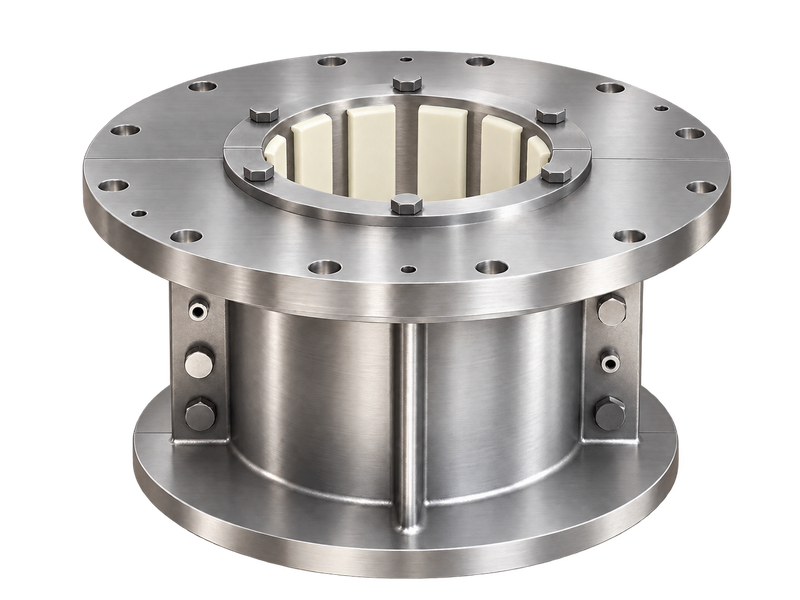
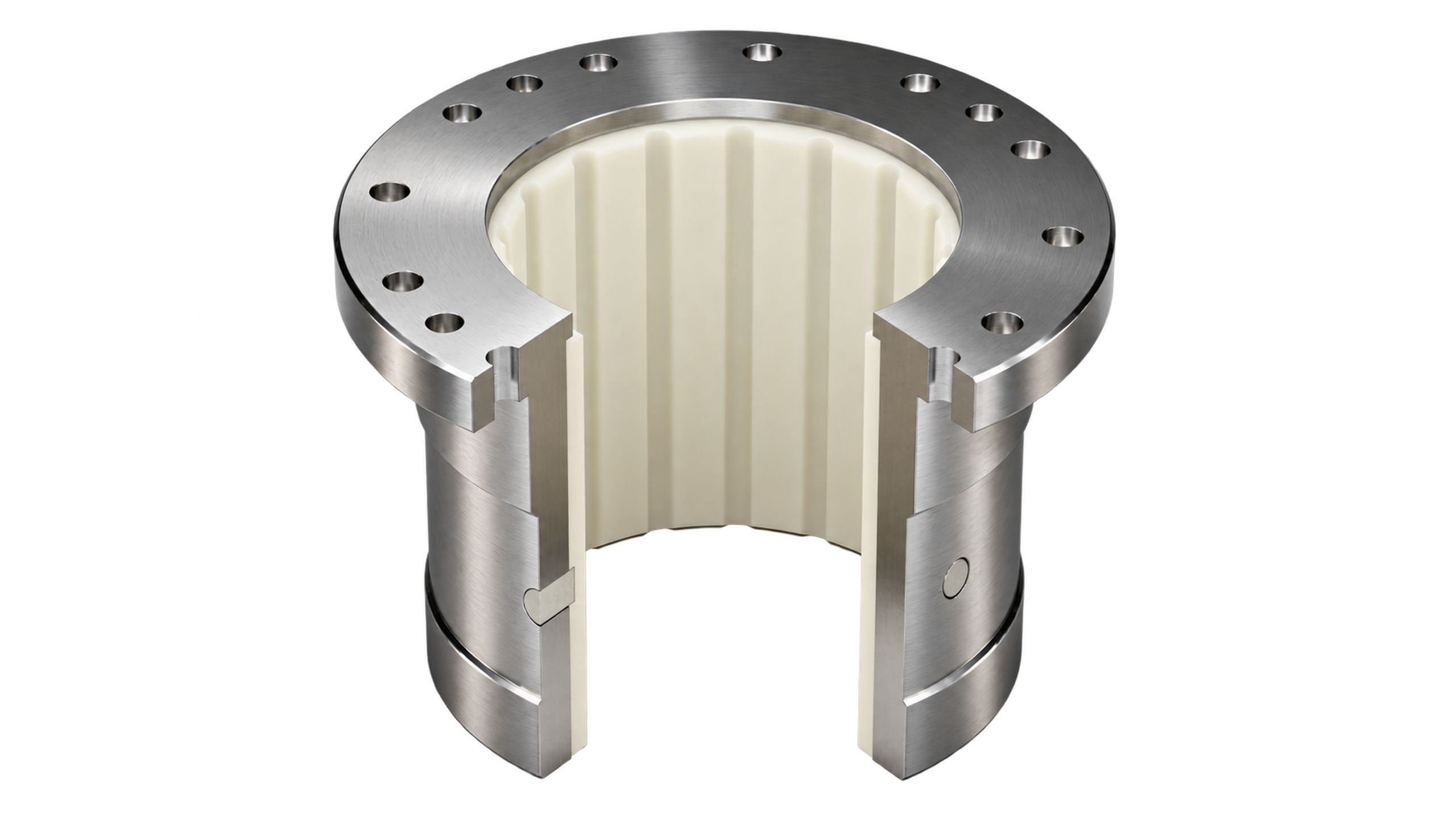
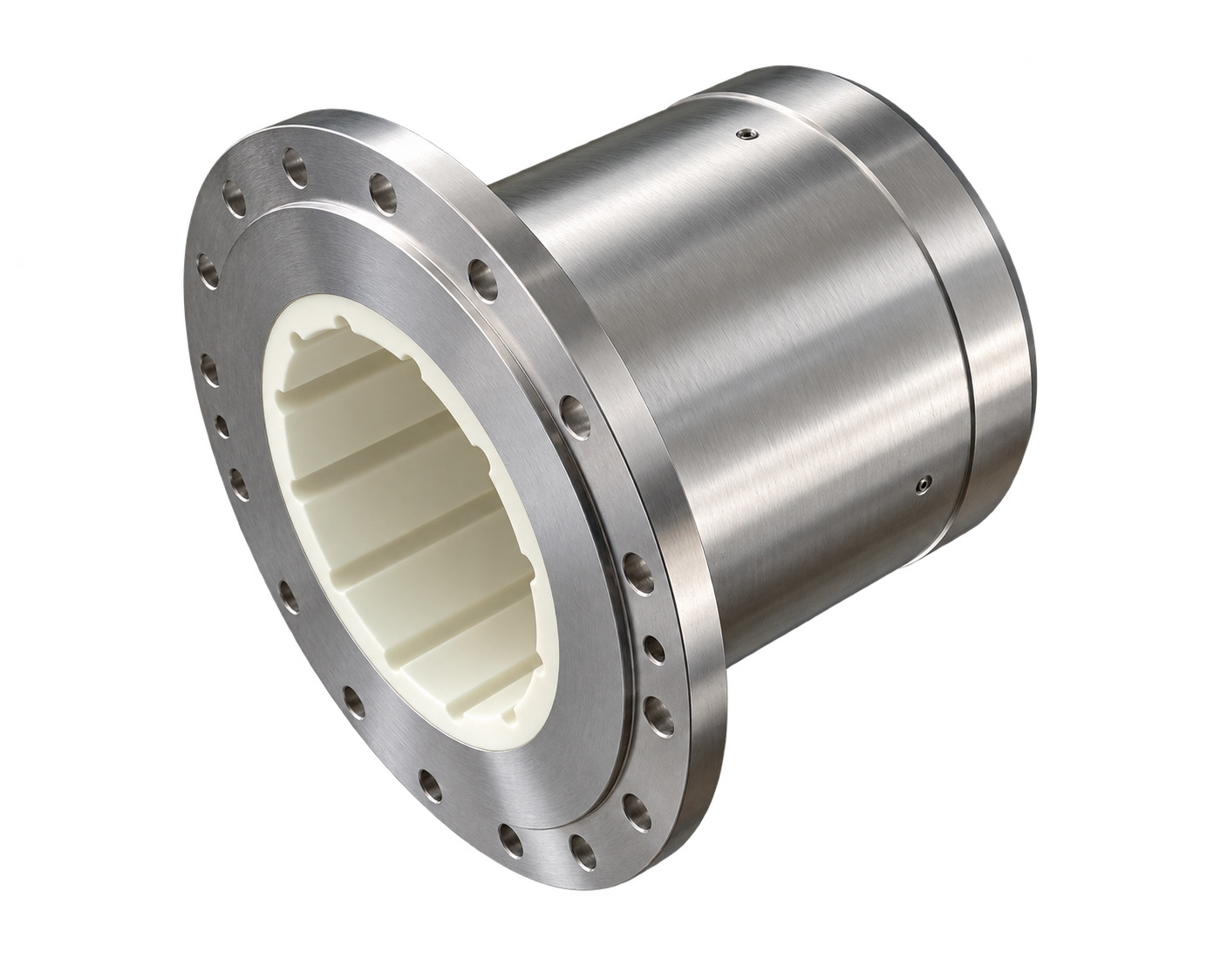
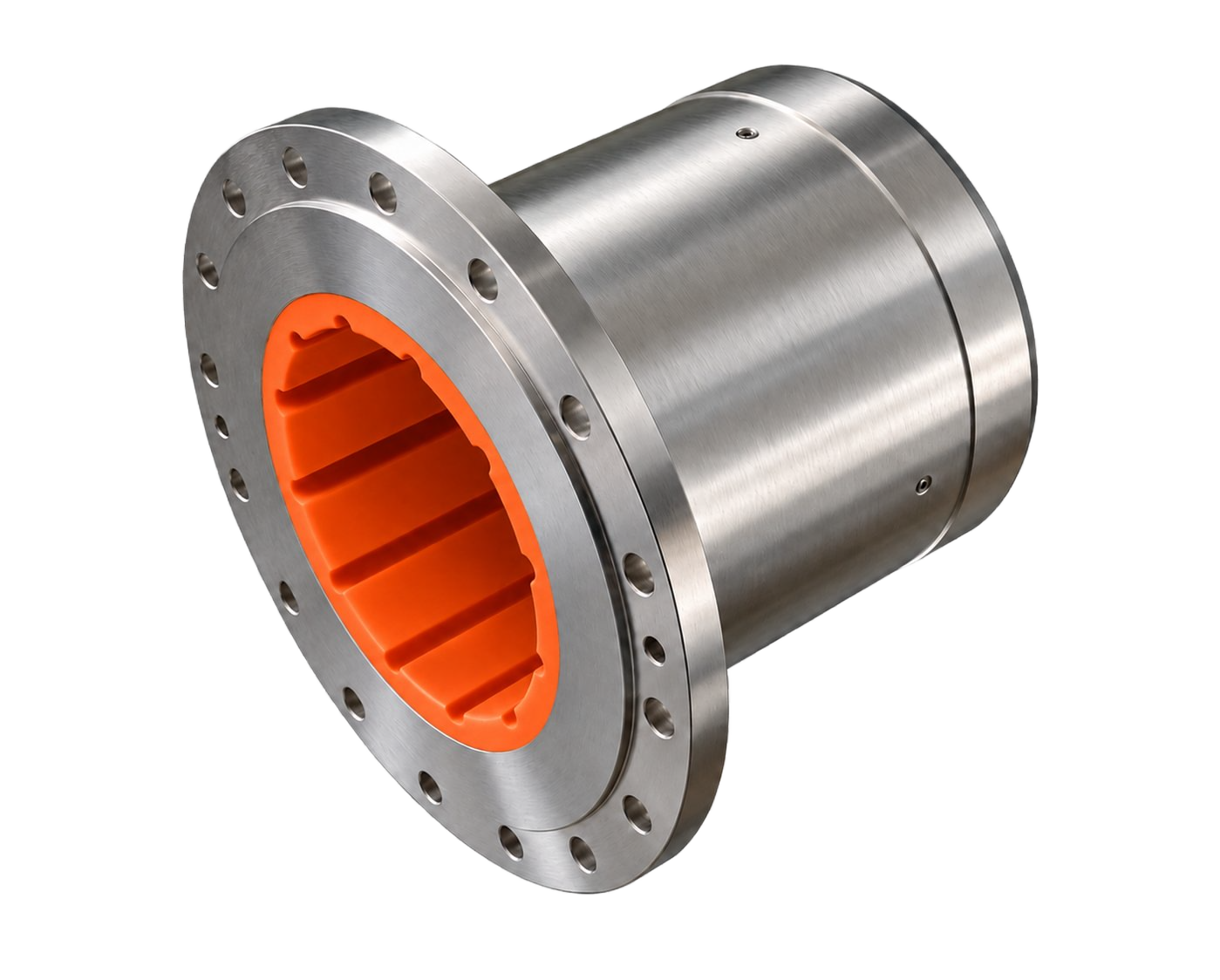
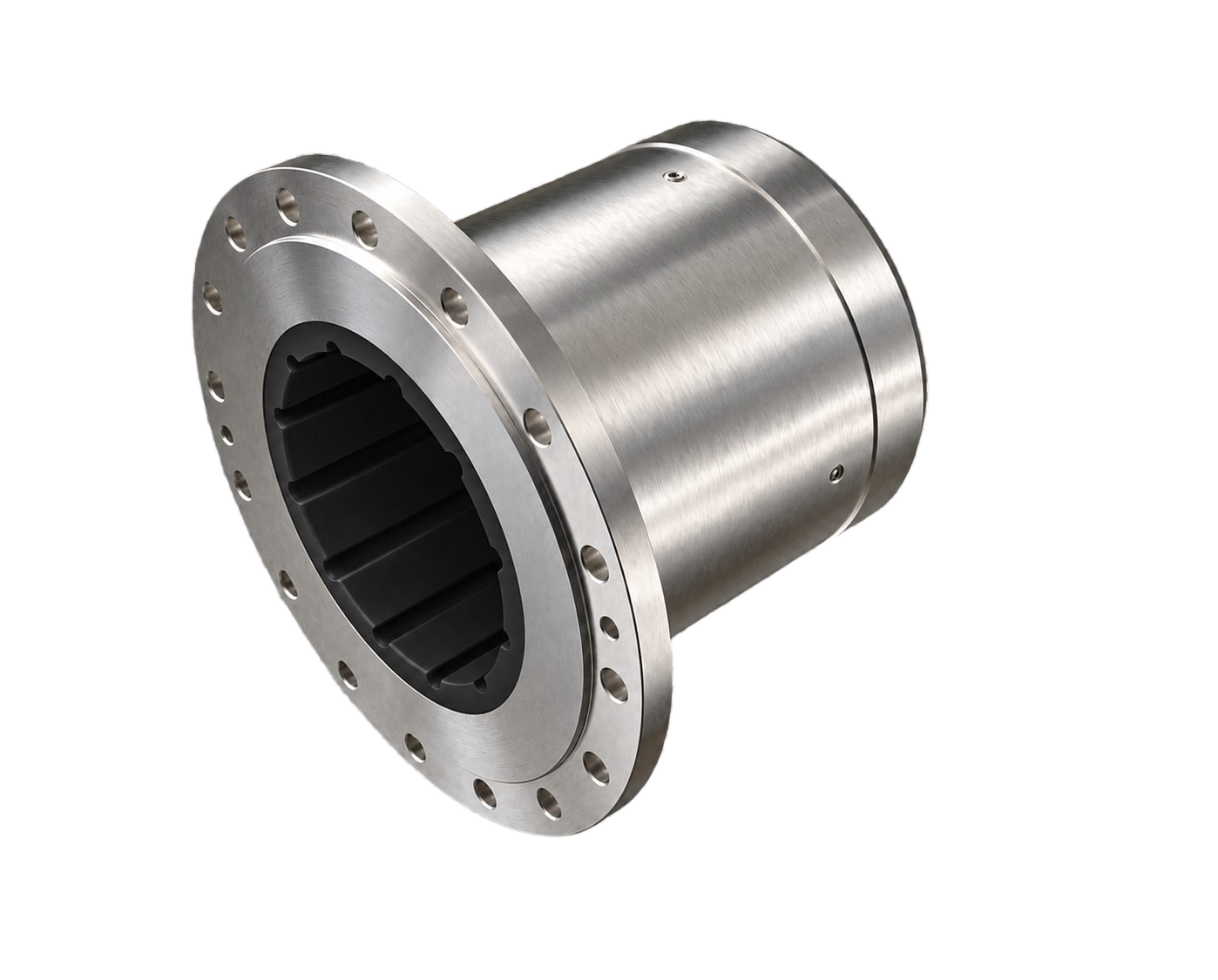
Carter 接着说:「当与 Thordon Bearings 的 COMPAC 螺旋桨轴轴承系统配合使用时,海水可润滑轴承,确保船舶平稳、高效、安全运行。我们不仅为海水润滑 COMPAC 系统提供长达十五年的磨损寿命保证,而且与使用 EAL 润滑的金属轴承加双密封系统的方案相比,它还能大幅降低船东的年度运营与维护成本。」
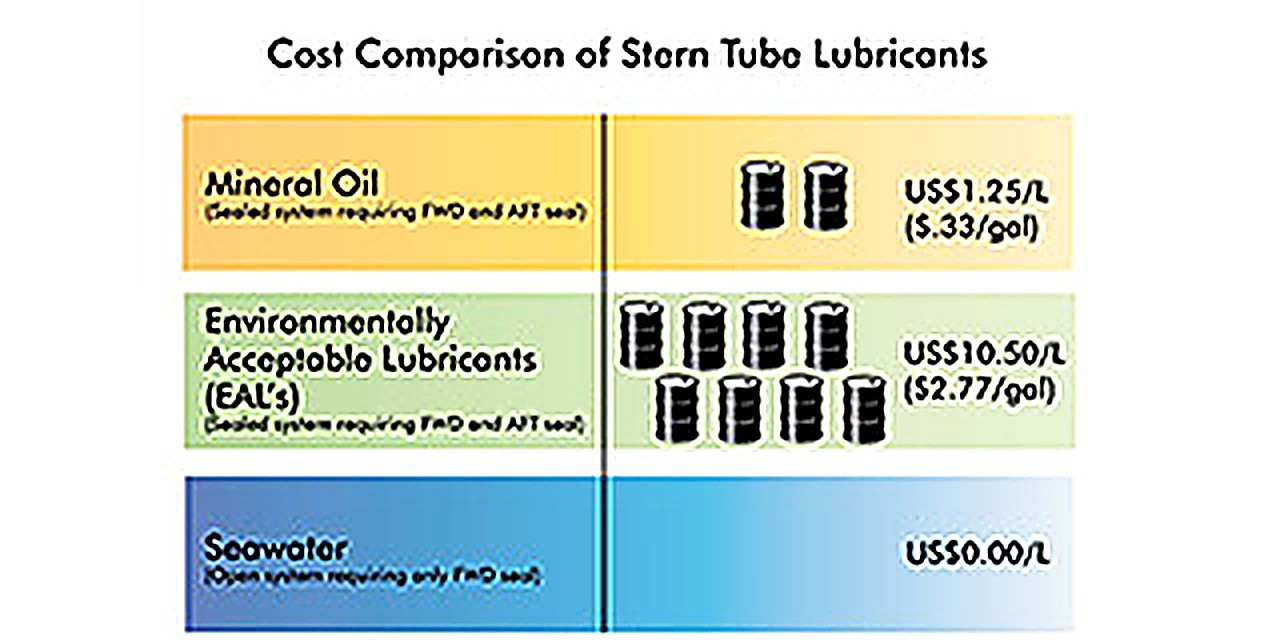
在近期发布的对比研究中,Thordon Bearings 对在螺旋桨轴轴承系统中使用矿物油、获认可的 EAL 或海水的运营成本进行了比较,发现 EAL——植物油、合成酯和聚烷基二醇(polyalkylene glycols)——的成本比油润滑螺旋桨轴轴承系统中通常使用的矿物油高出 7 倍以上。
「如果考虑到每年有 1.3 亿至 2.4 亿升在用润滑油泄漏进入海洋并需要补充,船东承担的成本简直高得惊人——而且这还未计入因环保罚款而产生的任何罚金。」
尽管限制传统矿物油润滑剂对海洋环境影响的必要性显而易见,但 Carter 指出,一些分析师和船东已经开始质疑 EAL 的性能与可靠性。
「在 DNV GL 的第 12-77 期通讯中,这家船级社指出,『EAL 在应对机械润滑所面临的挑战时存在各种弊端』。更具体地说,可生物降解油在与水混合时会变质,其必然结果是润滑性能受到不利影响。我们的海水润滑 COMPAC 系统已被证实能够完全避免这一问题。」
「尽管许多 EAL 制造商已在努力解决这一问题,但这项技术无疑是被仓促推向市场、未经充分测试的,因此无法保证其使用寿命。海水才是终极的 EAL。」
English Original
Thordon Bearings Inc., the leading manufacturer of seawater lubricated bearings for the global marine industry, has questioned the rise of so-called environmentally acceptable lubricants (EALs) in oil-based stern tube seals and bearings when the industry can use the most environmentally safe lubricant there is – seawater.
The US Environmental Protection Agency is enforcing regulations introduced in December 2013 that stipulate that all vessels over 24m operating in US waters must switch over to EALs in all oil-to-sea interfaces before their next drydocking. “But what is the point in shipowners investing in costly bio-lubricants when seawater is widely available and 100% free? It’s akin to paying for the very air we breathe,” said Craig Carter, Thordon Bearings’ Director of Marketing and Customer Service.
“When used in conjunction with Thordon Bearings’ COMPAC propeller shaft bearing system, seawater lubricates the bearings to ensure the smooth, effective and safe operation of the vessel. Not only do we guarantee our seawater-lubricated COMPAC system for a wear life of fifteen years, but it reduces a shipowner’s annual operating and maintenance costs substantially, compared to an EAL-lubricated metal bearing and two seal system,” continued Carter.
In its recently published comparative research into the operational costs of using mineral oil, approved EALs or seawater in a propeller shaft bearing system, Thordon Bearings found that EALs – vegetable oils , synthetic esters and polyalkylene glycols – are over 7 times more expensive than the mineral oils typically used in oil-lubricated propeller shaft bearing systems.
“When you take into account that between 130 million to 240 million litres of operational oil lubricant is leaked into the oceans each year and needs to be replaced, the cost to the shipowner is simply staggering – and this is without adding any monetary penalties incurred by way of environmental fines.”
Whilst the need to limit the impact that traditional mineral oil lubricants have on the marine environment is obvious, Carter indicated that some analysts and ship owners have already questioned the performance and reliability of EALs.
“In DNV GL’s newsletter 12-77, the classification society states that ‘there are different drawbacks in the way EALs react to the challenges of lubricating machinery’. More specifically, biodegradable oils deteriorate when mixed with water, and the inevitable result is that the lubricating capabilities will be adversely affected. Our seawater-lubricated COMPAC system is proven to completely avoid this problem.
“While strides have been taken by many EAL manufacturers to combat this issue, the technology has certainly been introduced to the market in a hurry and not thoroughly tested, so there are no guarantees about their longevity. Seawater is the ultimate EAL.”
本文摘录自 Thordon Bearings 官方新闻《Seawater is the Only Commercially Viable EAL for Propeller Shafts》,原文页面日期 2015-01-07。查看原文。本译文由广州市君研能源科技有限公司(修龙轴承 SHODRON BEARINGS)编译,仅供行业资讯参考,版权归原作者所有。