
原题:Don’t forget….Seawater is a FREE Environmentally Acceptable Lubricant (EAL)
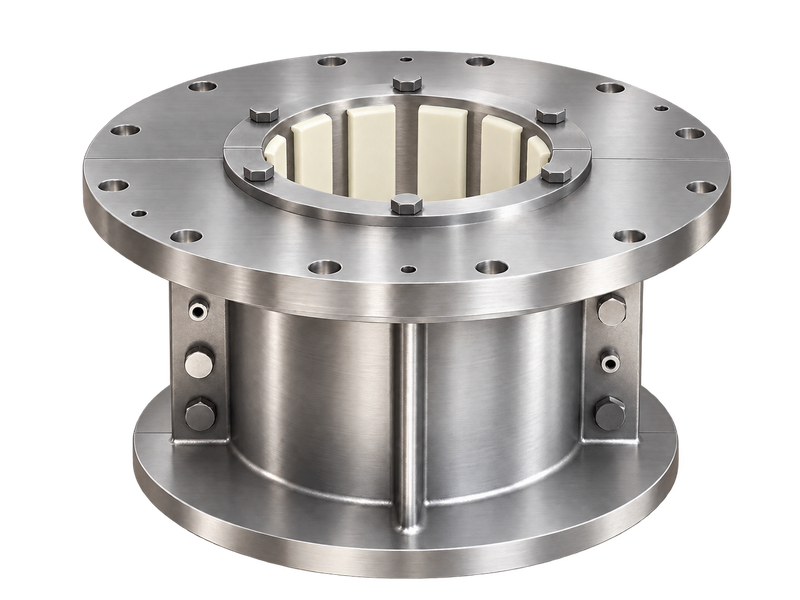
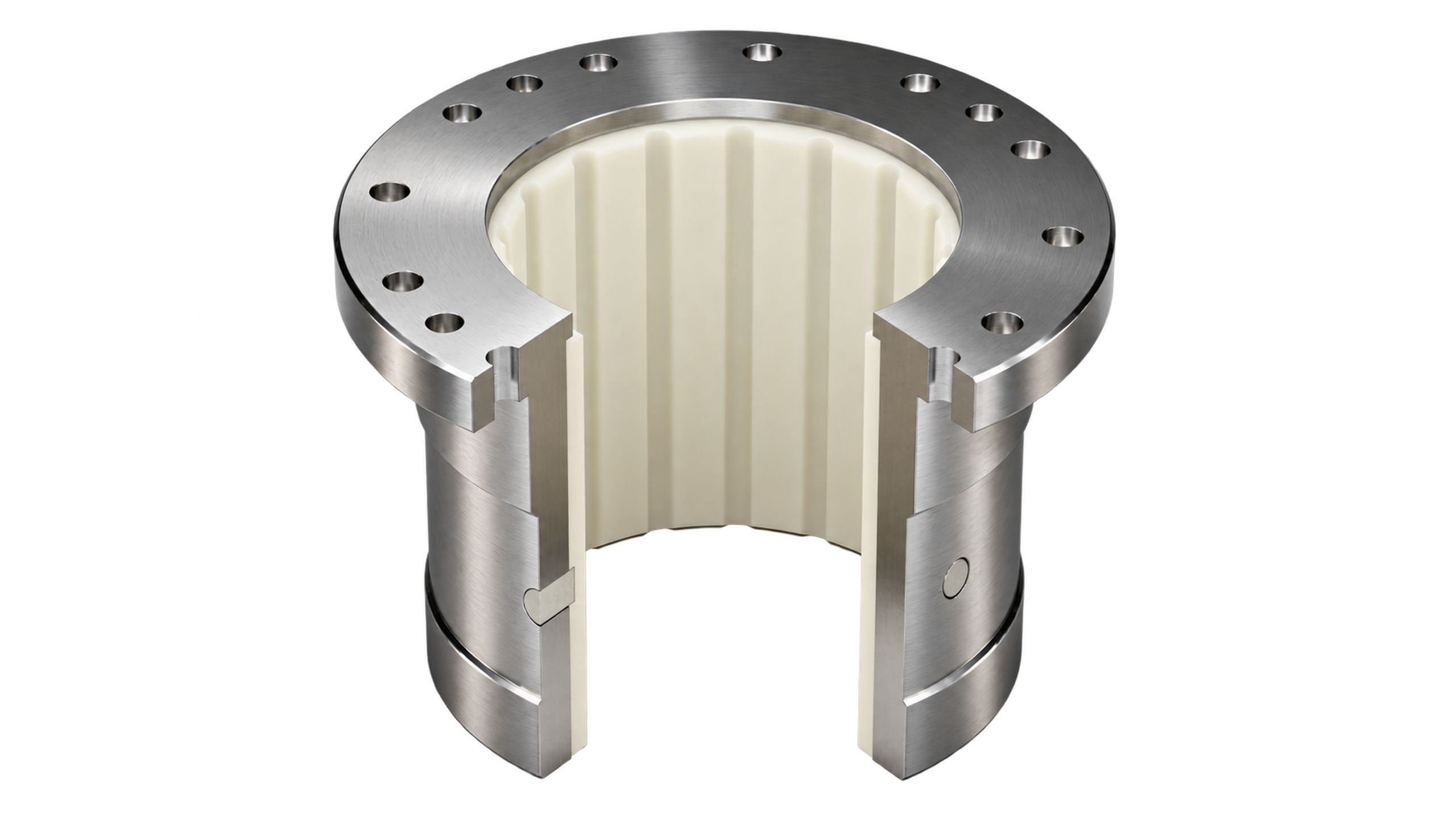
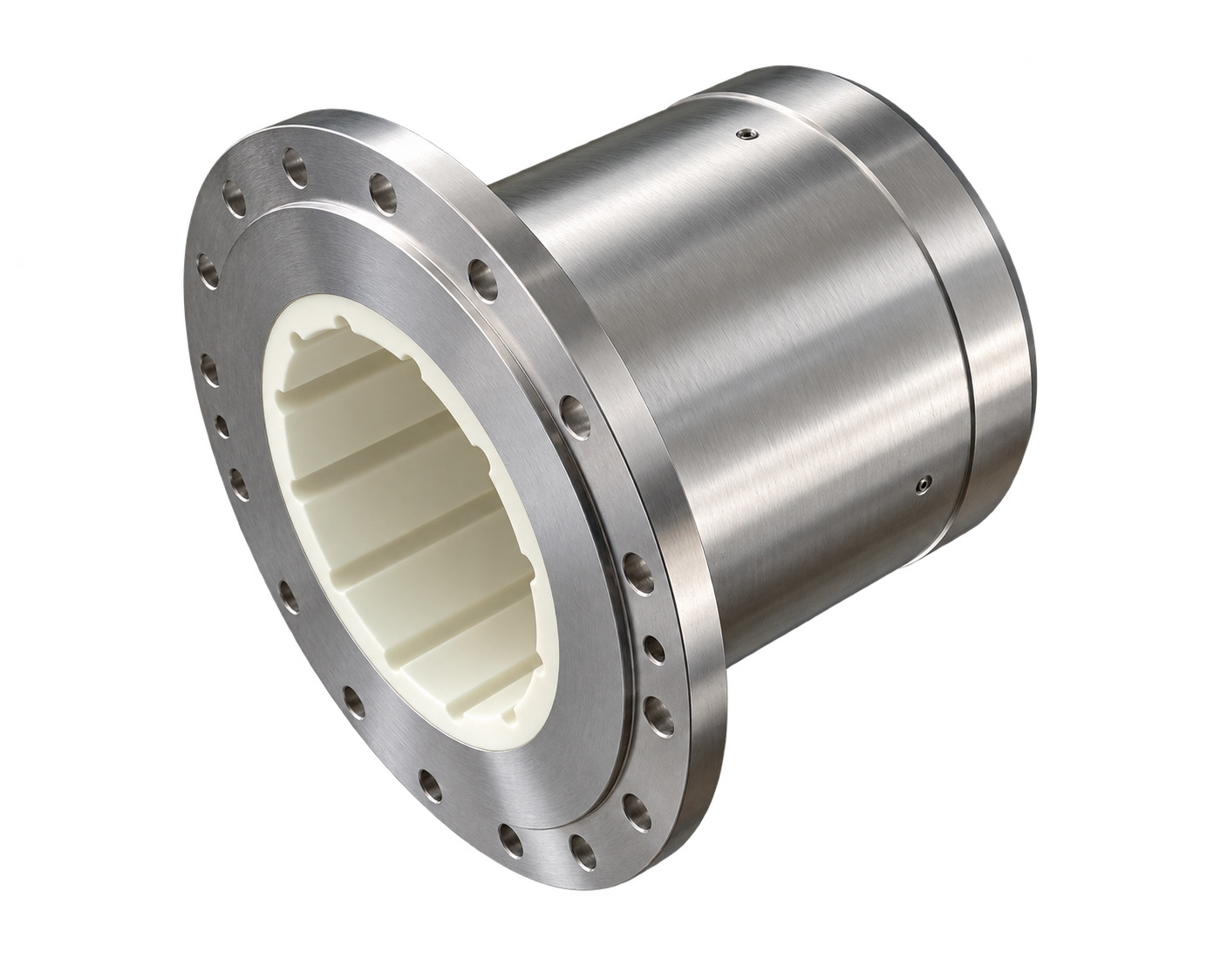
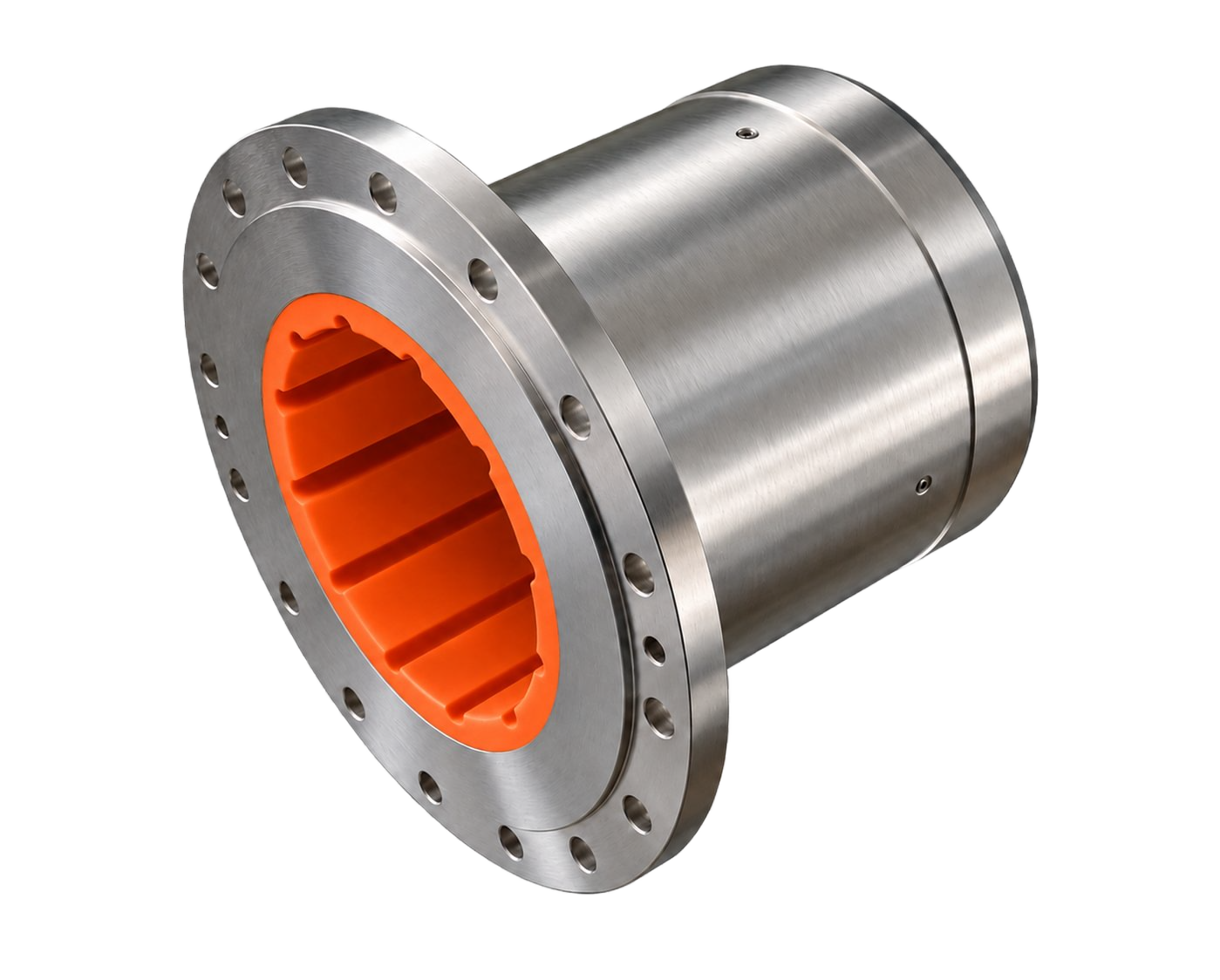
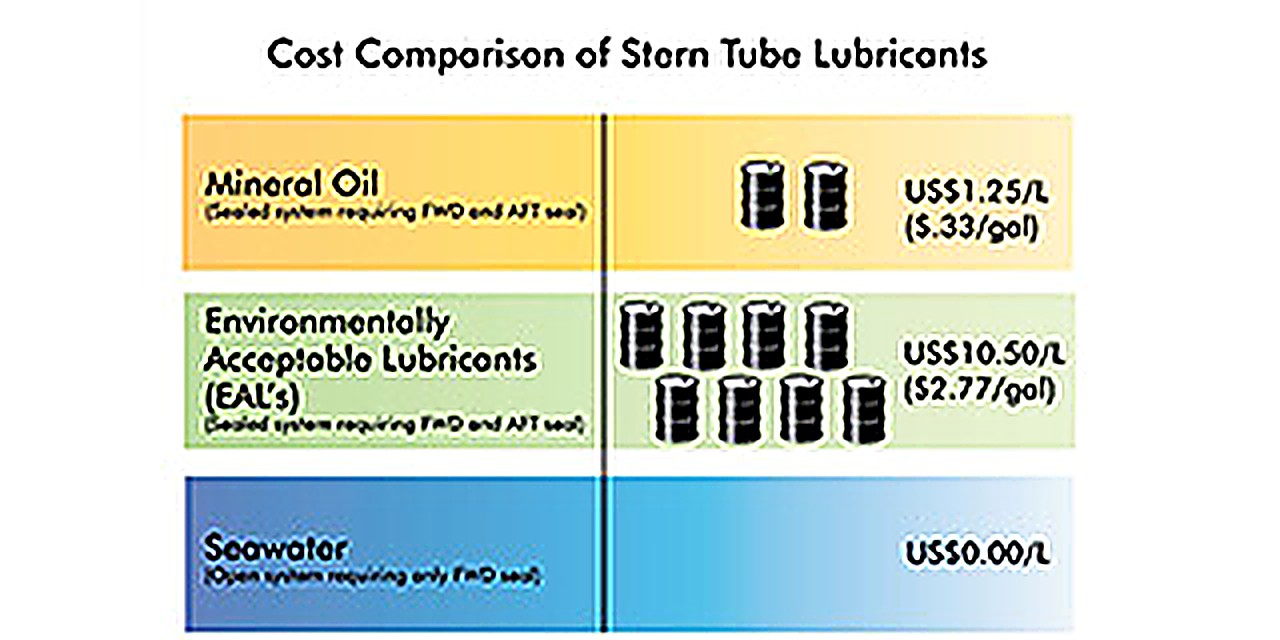
地球表面三分之二被海水覆盖——最显而易见且合规的环境可接受润滑剂(EAL)就在我们眼前:海水。如果您的船舶在美国水域营运,就需要了解 2013 年 12 月 19 日生效的新的油-海界面法规。根据美国环境保护署(EPA)新的船舶通用许可证(VGP),所有在 2013 年 12 月 19 日或之后建造的船舶,必须在所有油-海界面使用环境可接受润滑剂(EAL);对于该日期之前建造的所有船舶,除非技术上不可行,船东也必须在所有油-海界面使用 EAL。有关 EPA VGP 的更多信息可访问 http://water.epa.gov/polwaste/npdes/vessels/。螺旋桨轴——用油基 EAL 润滑,还是用海水?大多数船舶使用矿物油润滑螺旋桨轴,油由艉轴管内的后密封装置封住——这里就是油-海界面。在大多数情况下,您不能简单地把矿物油换成海水或其他油基 EAL。油基 EAL 必须与密封材料相容,以确保泄漏受到控制——船东需要向密封供应商核实,可能需要升级密封环或更换为新型密封。油基 EAL 可能影响密封件的磨损寿命,意味着维护成本增加。通常,油基 EAL 的成本是矿物油的 3 至 5 倍。如果您使用的是常被宣传为无污染后密封的精密空气密封装置,您仍然必须使用油基 EAL,因为无法保证油泄漏永远不会发生。渔网和缆绳仍可能损坏密封件,导致泄漏。
船东仍然担忧的一点是,油基 EAL 依据 1990 年《油污染法》(OPA '90)和美国《清洁水法》(若水面出现油膜)仍被视为污染物。任何油基 EAL 的排放仍需向美国海岸警卫队报告,并承担清理与修复费用。即便可生物降解润滑剂可能经 OECD 测试被认定为无毒,其存在于水面仍对海鸟构成威胁——油的疏水特性使鸟类的羽毛极易吸油,从而降低鸟类的保温、防水和浮力性能,导致其因失温和饥饿而死亡。根据加拿大 1994 年《候鸟公约法》第 22 章第 5.1(1) 条:任何人或船舶不得在候鸟经常出没的水域或区域,或物质可能进入此类水域或区域的地方,倾倒对候鸟有害的物质,也不得允许此类物质被倾倒。海水是免费的 对于新造船,如今许多船东指定采用海水润滑螺旋桨轴轴承系统,因为已有 600 多艘商船正在使用不消耗油的海水润滑系统——这意味着完全符合 VGP 要求。目前,美国 EPA 建议所有新造船营运商努力采用海水系统作为艉轴管润滑,以消除油从这些界面排入水环境的现象。现有船舶也可改装为海水润滑螺旋桨轴系统,因为这类系统通常能装入与油润滑系统相同的空间。已有多家公司将现有船舶从油润滑系统改装为海水润滑轴系,每年在艉轴管润滑剂和后密封维护成本上节省数十万美元。油改海水的转换是在计划内的坞修期间完成的:事先订购耐腐蚀轴套和水润滑前密封,船舶进坞时轴与聚合物轴承已备好待装。船东的两种选择 因此,当涉及船舶螺旋桨轴系统的排放时,在美国水域营运的船东对其现有船舶和拟建船舶有两种选择:1)用油基 EAL 替代矿物油来润滑金属轴承,并确保密封与 EAL 相容;或 2)改装或建造采用海水系统、使用非金属螺旋桨轴轴承的船舶。一些船东,如 Princess Cruises、COSCO、Disney Cruise Lines、US Gypsum Corporation、CSL Group、Algoma Corp.、Flinter Group、ConocoPhillips、Carisbrooke Shipping 和 Staten Island Ferries,已经符合 VGP 要求,因为他们选择海水作为螺旋桨轴润滑剂,从而降低了运营成本,也无需再为油污染担忧。
English Original
Two thirds of the world is covered in it - the most obvious and compliant EAL is right under our noses – Seawater. If your vessel is trading in US waters, you need to be aware of the new oil to sea interface law that comes into effect on Dec. 19, 2013. According to the new U.S. Environment Protection Agency Vessel General Permit (VGP), all vessels built on or after Dec. 19, 2013, must use an environmentally acceptable lubricant (EAL) in all oil to sea interfaces. For all vessels built before this date, unless technically not feasible, ship owners must use an EAL in all oil to sea interfaces. Additional information on the EPA's VGP can be found at http://water.epa.gov/polwaste/npdes/vessels/ Propeller Shafts – lubricated with oil-based EAL’s or seawater? Most ships use mineral oil to lubricate the propeller shaft and the oil is contained in the stern tube by the aft seal – which is the oil to sea interface. In most cases, you cannot just replace the mineral oil with seawater or other oil-based EAL’s. Oil-based EAL’s need to be compatible with the sealing materials to ensure leakage is controlled – ship owners will need to check with their seal supplier and it may be necessary to upgrade the sealing rings or upgrade to a new seal. Oil-based EAL’s may impact on the seal wear life meaning increased maintenance costs. Typically, costs of oil-based EAL’s are 3-5 times more expensive than mineral oils. If you are using a sophisticated air seal, commonly promoted as a non-polluting aft seal, you are still required to use an oil-based EAL, as it is not possible to guarantee that oil leakage will never occur. Fishing nets and ropes can still damage the seals allowing leakage to occur.
Still a concern for ship owners is that oil-based EAL’s are still considered a pollutant under the Oil Pollution Act of 1990 (OPA ‘90) and US Clean Water Act (if there is a sheen). Any discharges of oil-based EAL’s still require reporting of the discharge to the U.S. Coast Guard, as well as having clean-up and remediation costs. Even though biodegradable lubricants may be deemed non-toxic by OECD testing, their presence on the water surface is a threat to seabirds – the hydrophobic nature of oil causes bird plumage to absorb the oil readily, thereby decreasing a bird’s insulation, waterproofing, and buoyancy leading to death from hypothermia and starvation. According to Canada’s Migratory Birds Convention Act c. 22, 1994. - 5.1 (1) No person or vessel shall deposit a substance that is harmful to migratory birds, or permit such a substance to be deposited, in waters or an area frequented by migratory birds or in a place from which the substance may enter such waters or such an area. Seawater is free For newbuildings, many ship owners are now specifying seawater lubricated propeller shaft bearing systems, as over 600 commercial ships are using a seawater-lubricated system that uses no oil – meaning full compliance with the VGP. Currently, the U.S. EPA recommends that all new build vessel operators endeavor to use seawater-based systems for their stern tube lubrication to eliminate the discharge of oil from these interfaces to the aquatic environment. Existing ships can be converted to seawater-lubricated propeller shaft systems as these systems typically fit in the same space as an oil lubricated system. Several companies have converted their existing ships from oil lubricated systems to seawater lubricated shafts saving hundreds of thousands of dollars per year on stern tube lubricants and aft seal maintenance costs. The oil-to-seawter conversion is accomplished during a planned drydock where corrosion resistant shaft liners and a water lubricated forward seal were pre-ordered and the shaft and non-metallic bearings were ready for install when the ship drydocked. Two Choices for the Ship Owner So when it comes to discharges from a ships propeller shaft system, the ship owner that trades in US waters has two choices for their existing ships and ships they plan to build: 1) replace mineral oil with an oil-based EAL to lubricate the metal bearings and ensure the seal is compatible with the EAL or 2) convert or build a ship using a seawater-based system using non-metallic prop shaft bearings. Some ship owners such as Princess Cruises, COSCO, Disney Cruise Lines, US Gypsum Corporation, CSL Group, Algoma Corp., Flinter Group, ConocoPhillips, Carisbrooke Shipping and Staten Island Ferries are already compliant with the VGP, as they have chosen to use seawater as the propeller shaft lubricant and thus have reduced operating costs and no oil pollution worries.
本文摘录自 Thordon Bearings 官方新闻《Don’t forget….Seawater is a FREE Environmentally Acceptable Lubricant (EAL)》,原文页面日期 2013-10-30。查看原文。本译文由广州市君研能源科技有限公司(修龙轴承 SHODRON BEARINGS)编译,仅供行业资讯参考,版权归原作者所有。